
Free BAC Calculator (Blood Alcohol Content) – Check Your Alcohol Level Online
Blood Alcohol Content (BAC) is a measurement that shows how much alcohol is present in your bloodstream after drinking. Knowing your estimated BAC level can help you understand how alcohol affects your body, coordination, reaction time, and judgment, especially before driving or performing safety-sensitive activities.
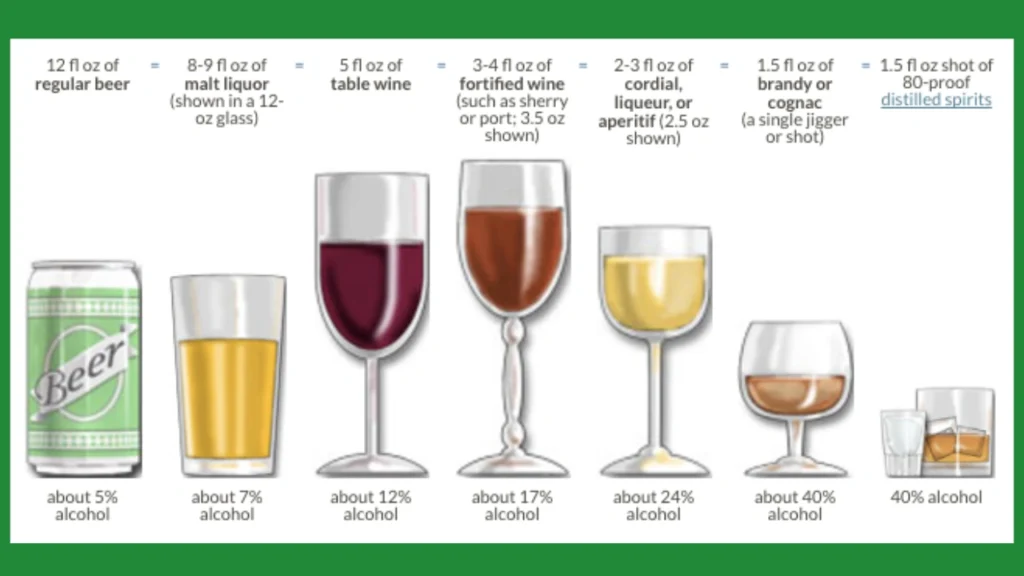
This free BAC calculator allows you to estimate your blood alcohol concentration based on commonly used factors such as body weight, gender, time since your first drink, and the number of standard drinks consumed, including beer, wine, and liquor. The calculation follows widely accepted formulas used for educational and awareness purposes worldwide.
Whether you are trying to understand how alcohol impacts you personally, learning about safe drinking limits, or simply curious about how BAC levels work, this tool provides quick and easy results without any signup or personal data collection. Results appear instantly after calculation and are designed to be simple to understand for users across different countries.
Please note that this BAC calculator provides an estimate only and should not be used for legal or medical decisions. Individual metabolism, health conditions, and drinking patterns may affect actual blood alcohol levels. Always choose safe alternatives if you feel impaired.
Number of Standard Drinks Consumed
How This BAC Calculator Works
This Blood Alcohol Content calculator estimates your blood alcohol concentration using widely accepted formulas. It takes into account your body weight, gender, number of standard drinks, alcohol strength, and the time since your first drink to calculate an approximate BAC level.
Your BAC result helps you understand how alcohol may affect your body and whether you could be above common legal driving limits. Even small amounts of alcohol can impair reaction time, judgment, and coordination, so this tool should be used as a general awareness guide rather than a precise measurement.
Factors that Affect your BAC (Blood Alcohol Content/Concentration)
Different factors can affect the BAC of an individual and these are given below:
Amount of Alcohol Consume
This is the main factor, as much alcohol is consumed by the individual, it increases the BAC. BAC value depends upon the alcohol consumed by the individual. It is recommended to not consume alcohol for better health.
Speed to Consume Alcohol
Speed to intake alcohol is also an alarming factor for the drinkers. It also higher the result of BAC because as you consume the alcohol, it increases your BAC as fast as you consume.
Gender
Males & females have different body structures and the amount of water in the body is different. As you know alcohol is water soluble, and its results depend upon the body’s water. The females have less amount of water in their bodies and if they consume the same amount of alcohol at the same time as men. Then the result of BAC in females is higher than the Men.
Person’s height & Weight
An individual’s height & weight also depends upon the BAC results. Because the individual with more weight has more water in the body. For a person with a heavier weight than a less-weight person, the BAC value will be higher in less-weight person than the heavier one. If the height of the person is taller than his weight, then the BAC value will be higher. This phenomenon depends on the alcohol spreads out thinly in the human body.
Person’s Fat/Muscles
As we know alcohol is absorbed in the water and fatty tissues are not rich with the water. It means the amount of alcohol will dissolve more in the less fatty person and has a higher BAC value than the fattier person. Let’s say two people weigh 100 KG, one is tall and the other is small. The tall person has less fat in his/her body as compared to the small-height person. So, the BAC value of a tall person will be higher than of a smaller one.
Person’s Metabolism
The 1st thing that comes to mind is what is metabolism. Metabolism is a process rate of disguising food. From the perspective of a drinker, metabolism is the rate at which alcohol is processed & eliminated from the body. This rate can be different from person to person and the average rate is to eliminate 10ml of alcohol per hour. An individual with liver disease may eliminate alcohol more slowly than a person with a healthy liver. An individual, who is addicted to alcohol and consumes more, may have a higher rate of eliminating the alcohol.
Person’s Age
Young people have a higher rate of metabolism than the older ones. Younger people can eliminate alcohol more quickly than older people.
Empty Stomach
An individual can consume or absorb more alcohol on an empty stomach than the stomach has some food. If you take some food before drinking, then the alcohol will be absorbed in the food and then in your stomach cells. BAC value will be higher in an empty stomach than the food in it.
Blood Alcohol Concentration Elimination Calculator
If you want to check the value of Blood Alcohol Concentration elimination then you can use the BAC elimination calculator and get your latest result. Although, you can follow the below values to confirm your BAC elimination:
If you get a result below the legal limit then you have to go a clinical trial to confirm the result.
Effects of Blood Alcohol Concentration
There are a lot of effects of blood alcohol concentration, and it varies based on different factors. Some figures are shown in the table. Alcohol intoxication will lead to different impairments, ranging from certain effects that can be detected through special tests. The ranges from 0.001 to 0.029% are considered as the problems with concentration, reflexes & motor control. The range from 0.50% to more is considered the severity of the alcohol intoxication that may lead to death or severe diseases.
Approximate Blood Alcohol Percentage (by volume)
Based on one drink having 0.5 US fl oz (15 mL) alcohol by volume
| Drinks | Sex | Body weight | ||||||||
| 40 kg | 45 kg | 55 kg | 64 kg | 73 kg | 82 kg | 91 kg | 100 kg | 109 kg | ||
| 90 lb | 100 lb | 120 lb | 140 lb | 160 lb | 180 lb | 200 lb | 220 lb | 240 lb | ||
| 1 | Male | – | 0.04 | 0.03 | 0.03 | 0.02 | 0.02 | 0.02 | 0.02 | 0.02 |
| Female | 0.05 | 0.05 | 0.04 | 0.03 | 0.03 | 0.03 | 0.02 | 0.02 | 0.02 | |
| 2 | Male | – | 0.08 | 0.06 | 0.05 | 0.05 | 0.04 | 0.04 | 0.03 | 0.03 |
| Female | 0.1 | 0.09 | 0.08 | 0.07 | 0.06 | 0.05 | 0.05 | 0.04 | 0.04 | |
| 3 | Male | – | 0.11 | 0.09 | 0.08 | 0.07 | 0.06 | 0.06 | 0.05 | 0.05 |
| Female | 0.15 | 0.14 | 0.11 | 0.1 | 0.09 | 0.08 | 0.07 | 0.06 | 0.06 | |
| 4 | Male | – | 0.15 | 0.12 | 0.11 | 0.09 | 0.08 | 0.08 | 0.07 | 0.06 |
| Female | 0.2 | 0.18 | 0.15 | 0.13 | 0.11 | 0.1 | 0.09 | 0.08 | 0.08 | |
| 5 | Male | – | 0.19 | 0.16 | 0.13 | 0.12 | 0.11 | 0.09 | 0.09 | 0.08 |
| Female | 0.25 | 0.23 | 0.19 | 0.16 | 0.14 | 0.13 | 0.11 | 0.1 | 0.09 | |
| 6 | Male | – | 0.23 | 0.19 | 0.16 | 0.14 | 0.13 | 0.11 | 0.1 | 0.09 |
| Female | 0.3 | 0.27 | 0.23 | 0.19 | 0.17 | 0.15 | 0.14 | 0.12 | 0.11 | |
| 7 | Male | – | 0.26 | 0.22 | 0.19 | 0.16 | 0.15 | 0.13 | 0.12 | 0.11 |
| Female | 0.35 | 0.32 | 0.27 | 0.23 | 0.2 | 0.18 | 0.16 | 0.14 | 0.13 | |
| 8 | Male | – | 0.3 | 0.25 | 0.21 | 0.19 | 0.17 | 0.15 | 0.14 | 0.13 |
| Female | 0.4 | 0.36 | 0.3 | 0.26 | 0.23 | 0.2 | 0.18 | 0.17 | 0.15 | |
| 9 | Male | – | 0.34 | 0.28 | 0.24 | 0.21 | 0.19 | 0.17 | 0.15 | 0.14 |
| Female | 0.45 | 0.41 | 0.34 | 0.29 | 0.26 | 0.23 | 0.2 | 0.19 | 0.17 | |
| 10 | Male | – | 0.38 | 0.31 | 0.27 | 0.23 | 0.21 | 0.19 | 0.17 | 0.16 |
| Female | 0.51 | 0.45 | 0.38 | 0.32 | 0.28 | 0.25 | 0.23 | 0.21 | 0.19 | |
| Subtract approximately 0.01 every 40 minutes after drinking. | ||||||||||
Is This BAC Calculator Accurate?
The BAC alcohol calculator online provides an estimated result based on averages and standardized formulas. They do not account for individual metabolic differences, medical conditions, or real-time alcohol absorption rates. As a result, calculated values may differ from breathalyzer or blood test results.
For legal, medical, or safety-critical decisions, professional testing methods should always be used. This tool is intended solely for informational and educational use.